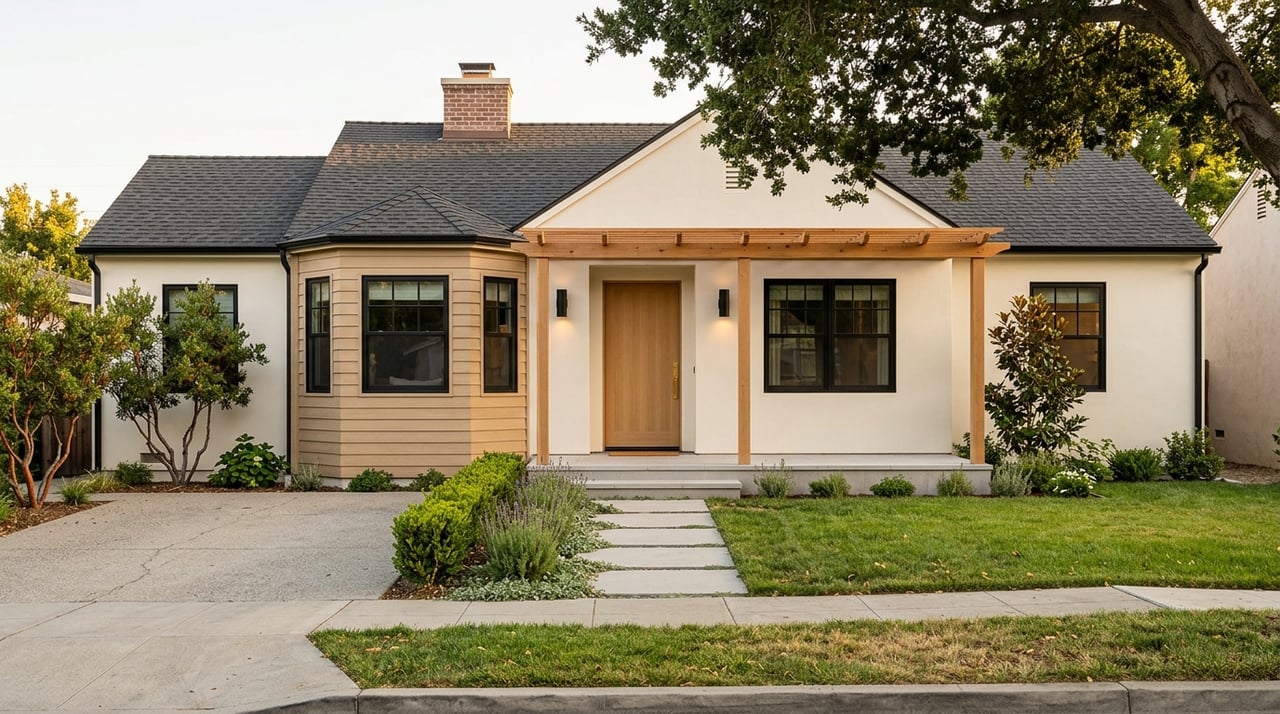
Wondering what it’s really like to live in Burlingame? If you are considering a move to the Peninsula, this city often stands out for its tree-lined streets, established homes, and easy access to both daily conveniences and regional transit. The good news is that Burlingame offers a lifestyle that feels polished yet practical, with distinct shopping districts, abundant parks, and a strong sense of place. Let’s take a closer look.
Burlingame at a Glance
Burlingame is a Peninsula city of roughly 31,000 residents with a notable stretch of San Francisco Bay shoreline. The city refers to itself as the City of Trees, and that identity still shows up in its mature streetscapes and established residential feel.
Its history also helps explain the atmosphere you notice today. The city says it was originally settled by wealthy San Franciscans seeking a better climate, which helps account for the classic homes, leafy blocks, and long-standing neighborhood character.
Everyday Life in Burlingame
Daily life in Burlingame tends to center around a few distinct commercial areas rather than one oversized downtown. That gives the city a more compact and approachable rhythm, where errands, dining, and casual outings often happen within familiar, walkable districts.
Burlingame Avenue
Burlingame Avenue is the city’s busiest shopping and dining area. According to the city, it includes hundreds of stores and restaurants, with a pedestrian-friendly stretch that continues onto side streets between Howard and Chapin Avenues.
If you enjoy being able to park once and walk to coffee, dinner, boutiques, or everyday stops, this area is a major part of the Burlingame lifestyle. It tends to be the center of local energy and activity.
Broadway
Broadway offers a different feel. The city describes it as smaller and quieter, with a more old-fashioned, mom-and-pop character.
For many buyers, that variety is part of Burlingame’s appeal. You are not limited to one version of city life. Instead, you get a mix of lively and low-key environments depending on where you spend your time.
Other Daily Convenience Areas
Burlingame Plaza serves northern parts of the city with everyday retail, while Hotel Row near Highway 101 concentrates hotels and restaurant activity on the bay side. In practical terms, that means your day-to-day needs are spread across a few useful hubs rather than concentrated in one place.
This setup can make the city feel efficient and livable. Whether you are grabbing groceries, meeting friends for lunch, or heading out for dinner, there is usually a nearby corridor that fits the moment.
A Strong Community Feel
Burlingame is not just a place where people sleep and commute. The city also maintains an active calendar of free community events, including Sunday afternoon concerts, family movie nights, Shakespeare in the Park, an annual pet parade, and arts festivals.
That kind of civic programming adds texture to daily life. It gives residents recurring ways to enjoy public spaces and feel connected to the broader community.
Parks and Outdoor Living
If outdoor access matters to you, Burlingame has a lot to offer. The Parks and Recreation Department says it maintains large parks with athletic fields, neighborhood parks and tot lots, wildlife areas, dog parks, and more, with programming for ages 0 to 99.
That range is one reason the city appeals to many different types of residents. Whether you want structured recreation, casual open space, or quieter natural areas, Burlingame includes several ways to be outside close to home.
Washington Park
Washington Park is the city’s oldest park and one of its main recreation anchors. The city says it includes baseball, basketball, soccer, tennis, a playground, a dog park, picnic areas, and a community center, with hundreds of classes and activities offered there each year.
For many residents, this is the kind of place that becomes part of a weekly routine. It supports both organized activity and casual downtime, which adds to the city’s everyday convenience.
Ray Park
Ray Park shows the neighborhood-scale side of Burlingame’s park system. It includes a shaded playground, a two-acre turf area, picnic tables, courts, and field space used by local youth sports.
Parks like this help support the city’s residential feel. You do not need to plan a major outing to enjoy green space, because smaller parks are woven into the community.
Mills Canyon and the Bayfront
Mills Canyon offers a different experience from the city’s active-use parks. It is a wildlife area within city limits with a hiking trail, native plant and animal species, and a more limited-recreation setting. The city notes that dogs must be leashed there to help protect the habitat.
Burlingame’s visitor information also highlights quiet bayfront walking areas and wetlands where you may see egrets, pelicans, and great blue herons. If you like a mix of neighborhood parks and calmer natural spaces, Burlingame delivers both.
Commuting and Getting Around
Burlingame works well for people who want more than one way to get around. The city’s transportation resources reference EV support, free city-wide shuttle information, bike and pedestrian planning, SamTrans, Caltrain, BART, and 511.
SFO is also just a few miles north, which is part of the city’s everyday geography. For frequent travelers or commuters, that proximity can be a meaningful convenience.
Rail and Shuttle Options
Caltrain is a real part of local mobility. Caltrain lists Burlingame as a regular stop, while Broadway is a weekend-only station.
The city’s current shuttle information adds more detail. It says the Burlingame Bayside Route carries commuters from Millbrae BART to Burlingame business corridors, and the Millbrae Burlingame Commuter Route connects Millbrae BART and Caltrain with Mills-Peninsula Medical Center, Sisters of Mercy/Mercy High School, and the Easton Addition neighborhood.
Parking Considerations
If you spend time around Burlingame Avenue or Broadway, parking is part of the practical picture. The city says both districts have on-street meters and lot-based parking, with enforcement Monday through Saturday from 8 a.m. to 6 p.m.
That may sound like a small detail, but it matters in daily life. Burlingame is walkable in key areas, yet it also functions as a place where parking strategy and transit choices can shape your routine.
Homes and Neighborhood Character
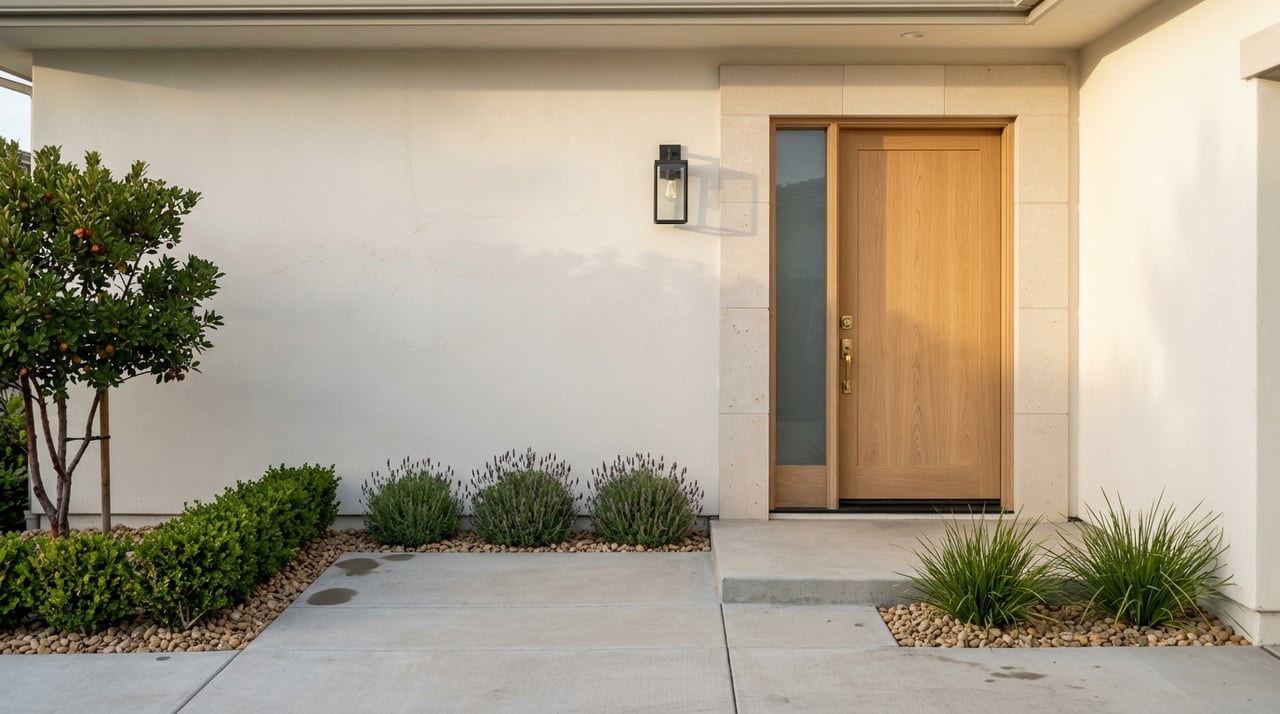
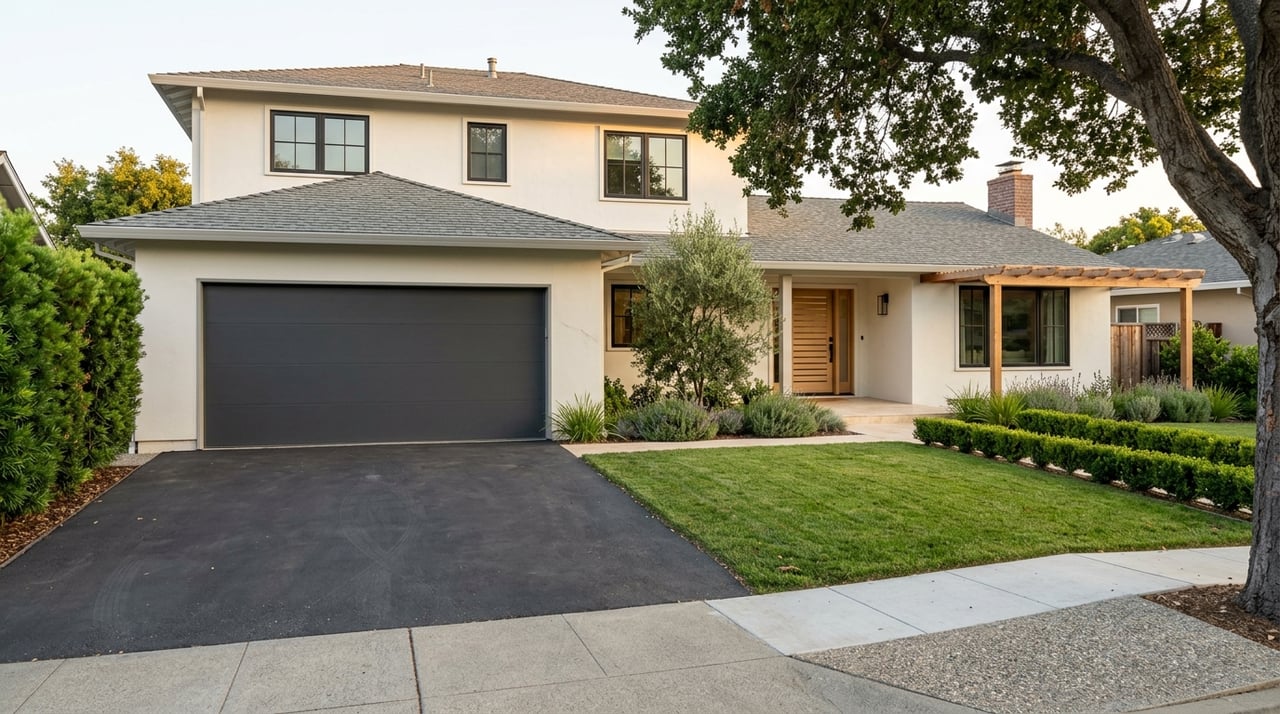
One of Burlingame’s biggest draws is its housing character. The city’s community character report describes Burlingame as a mature, built-out community with well-established residential neighborhoods.
That built-out nature means many blocks feel settled and consistent rather than newly created. For buyers, that often translates into stronger neighborhood identity and more visible architectural variety.
Architectural Variety
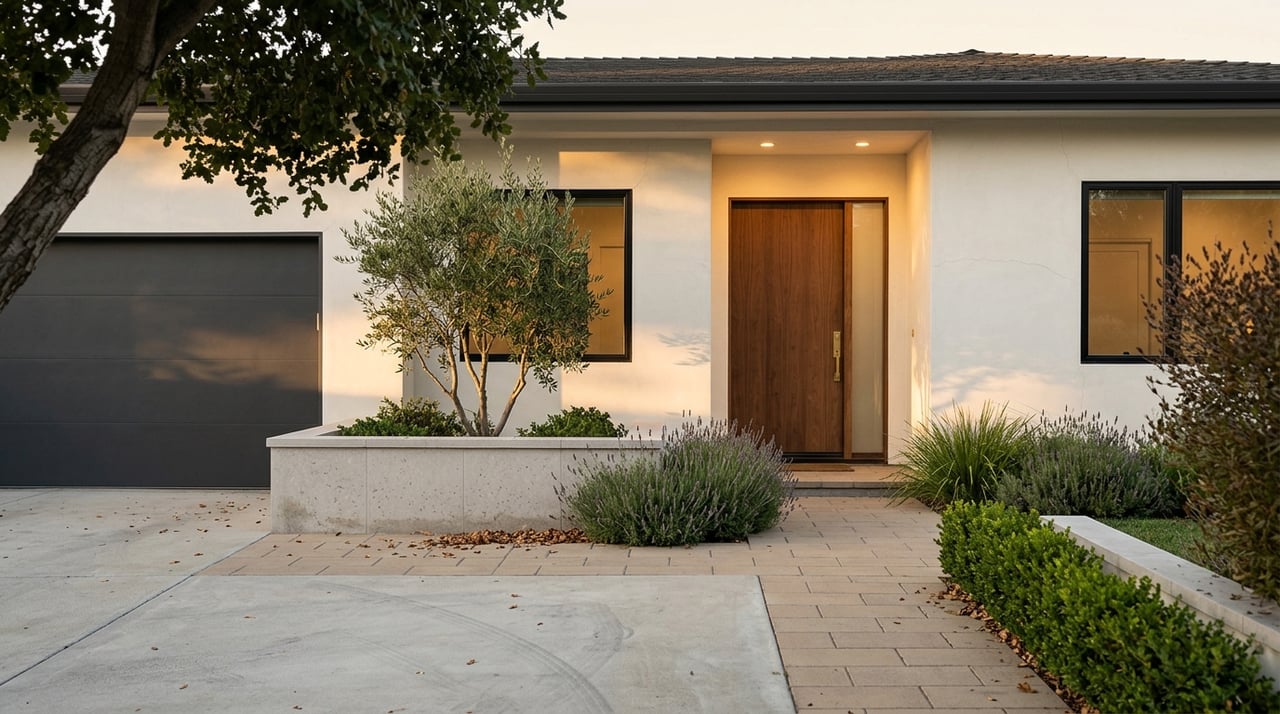
Older areas include Craftsman and vernacular homes from the 1910s and 1920s, along with Tudor and Mediterranean homes from the early-to-mid 1920s. Postwar neighborhoods, especially on the north end after the Mills Estate subdivision, include Ranch and Eichler homes.
The city’s historical materials also reference English Tudor, Spanish Revival, American Bungalow, and Streamline Moderne styles. In other words, Burlingame is not a one-style housing market.
What That Means for Buyers
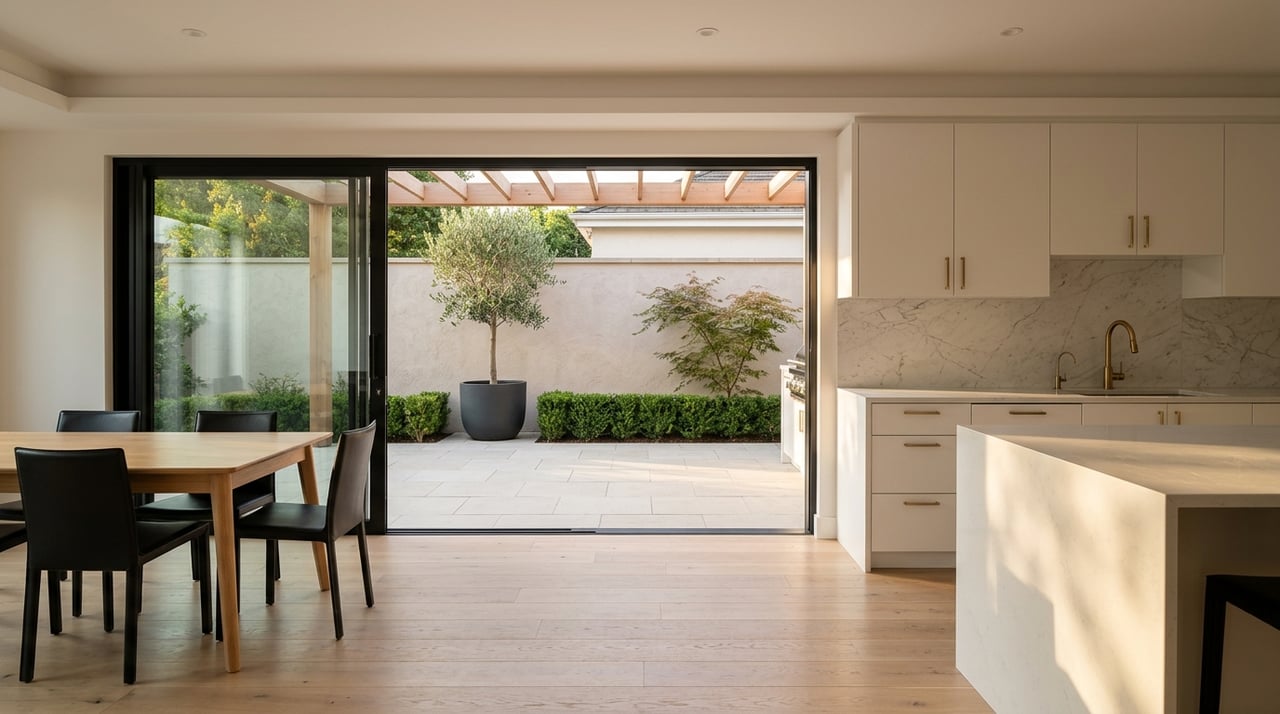
Block by block, the housing feel can shift based on the era of development, architectural style, and level of renovation. If you are searching here, it helps to look beyond the city name alone and focus on which pocket best matches your taste, routine, and commute.
That is one reason local guidance matters in Burlingame. Two homes with similar price points may offer very different lifestyles depending on location, lot, condition, and surrounding streetscape.
A Premium Price Point
Burlingame is a premium market, and that is important to understand upfront. Census QuickFacts reports an owner-occupied housing rate of 48.2%, a median value of owner-occupied homes above $2,000,000, and median selected monthly owner costs with a mortgage above $4,000.
For many buyers, the question is less about whether Burlingame offers amenities and more about how to balance budget, home style, and daily convenience. The city offers strong lifestyle appeal, but it comes with a higher entry point than many other markets.
How Burlingame Compares Nearby
Compared with Millbrae, Burlingame tends to feel less like a transit hub and more like a walkable shopping-and-neighborhood city. Compared with Hillsborough, Burlingame offers more everyday retail, restaurant options, and rail access.
That combination is a big part of its appeal on the Peninsula. You get an established residential setting, but you also have meaningful access to shopping districts, parks, and commuting options.
Who Usually Loves Burlingame
Burlingame often appeals to buyers who want a city that feels established, attractive, and functional all at once. It can be especially compelling if you value:
- Walkable commercial districts
- A wide range of parks and recreation
- Easy access to Caltrain, BART connections, and SFO
- Older homes with architectural personality
- A more polished, residential feel on the Peninsula
The best fit usually comes down to your day-to-day priorities. Some buyers focus on proximity to Burlingame Avenue, while others care more about lot size, architecture, or commute patterns.
If you are thinking about a move to Burlingame, it helps to look at the city through the lens of how you actually live. The right block, home style, and location can make a major difference in your long-term satisfaction. If you would like clear, local guidance on Burlingame neighborhoods, lifestyle fit, and available homes, connect with Jill Penna.
FAQs
What is daily life like in Burlingame, CA?
- Daily life in Burlingame is centered around a few compact commercial districts, established residential neighborhoods, local parks, and community events rather than one large downtown core.
Is Burlingame, CA walkable?
- Burlingame has walkable shopping and dining areas, especially around Burlingame Avenue and Broadway, where many stores and restaurants are grouped close together.
What are parks like in Burlingame, CA?
- Burlingame offers a broad park system that includes active recreation spaces, neighborhood parks, dog parks, wildlife areas, and bayfront walking areas.
What is commuting like from Burlingame, CA?
- Burlingame offers several commuting options, including Caltrain access, connections to BART through shuttle routes, SamTrans resources, and close proximity to SFO.
What types of homes are common in Burlingame, CA?
- Burlingame includes a wide mix of architectural styles, including Craftsman, Tudor, Mediterranean, Ranch, Eichler, Bungalow, and other period homes depending on the neighborhood.
Is Burlingame, CA an expensive housing market?
- Yes. Census QuickFacts shows median owner-occupied home values above $2,000,000, which places Burlingame in a premium price tier on the Peninsula.