If you are planning to sell in San Mateo, timing matters, but preparation matters even more. In a market where homes can go pending in about two weeks, buyers often notice the details right away, from condition and presentation to disclosures and showing flow. With the right runway, you can make thoughtful decisions instead of rushed ones, and that usually leads to a smoother launch. Let’s dive in.
San Mateo market pace
San Mateo remains a seller-favorable market as of June 2026, but that does not mean every home should be handled the same way. Local data points to strong demand, with median time to pending around 13 days and sale-to-list ratios above 100%, even though the exact figures vary by source and reporting window.
That kind of pace can work in your favor, but it also raises the stakes for list day. When buyers are moving quickly, visible deferred maintenance, weak photos, or incomplete paperwork can stand out fast. A polished launch still matters, even in a competitive market.
Why prep beats guessing the market
Many sellers ask when the perfect week to list will be. National research often points to spring, with some reports favoring mid-April and others showing late May as especially strong for pricing.
In San Mateo, the practical takeaway is simpler. The best time to sell is often when your home is truly ready, not just when the calendar says demand should be high. If your home is photo-ready, disclosure-ready, and show-ready, you are in a much stronger position to take advantage of a good market window.
Build a 6 to 18 month plan
If you have time before listing, use it strategically. A longer runway gives you more control over repairs, documents, vendors, and presentation.
Here is a smart way to think about that timeline:
Early months
Start with a full condition review and a paper trail review. This is the time to identify repair needs, gather permit records, locate warranties and invoices, and request contractor bids if work may be needed.
It is also a good time to begin decluttering and simplifying storage. That step is easy to delay, but it often takes longer than expected, especially if you are still living in the home.
Middle months
Use this phase to complete repairs and make staging decisions. Focus first on the items buyers are likely to notice quickly and the issues that may come up during inspections.
For many San Mateo homes, that may include:
- Exterior paint or stucco touch-ups
- Caulking and sealing
- Roof and gutter maintenance
- Drainage concerns
- Window and door hardware fixes
- Plumbing leaks
- HVAC servicing
- Flooring touch-ups
- Obvious electrical issues
Final stretch
The last stretch is about launch execution. This is when you want disclosures organized, photography scheduled, floor plans prepared, and showing logistics finalized.
In a city where buyers may act fast, your first days on market should feel clean and coordinated. You want buyers focused on the home itself, not on distractions that could have been solved in advance.
Tailor prep to your property type
San Mateo has a mixed housing stock, including detached homes, condos, and other attached homes. Because of that, your prep plan should match the property rather than rely on a generic citywide checklist.
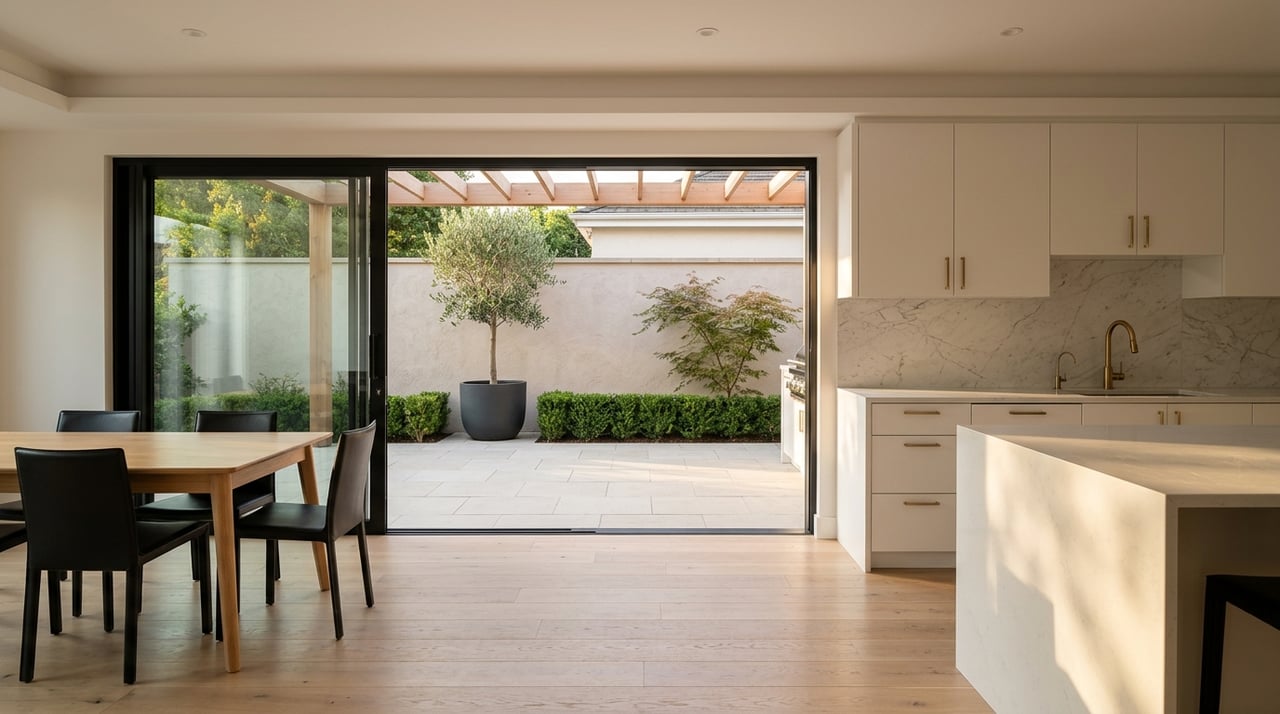
For a smaller home or condo, space planning often matters most. Clean circulation paths, lighter furniture choices, and storage-focused staging can help the home feel more open and functional.
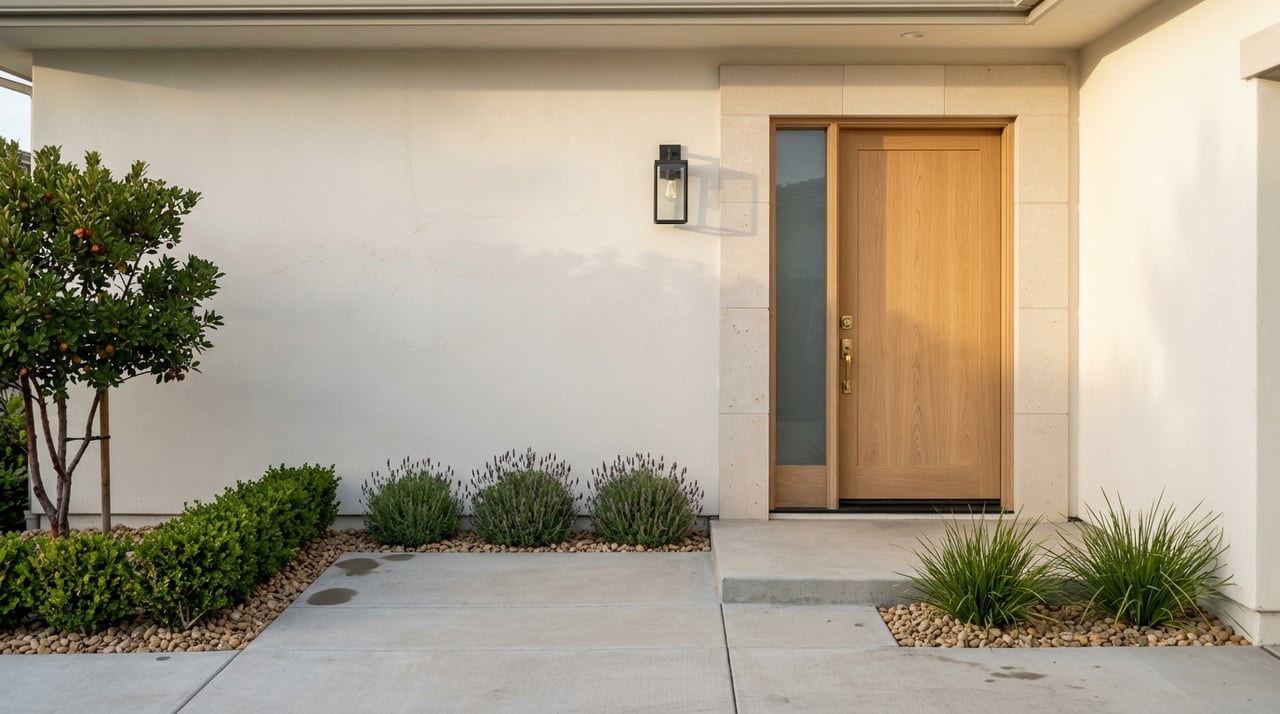
For a detached home, curb appeal usually carries more weight. Exterior presentation, entry sequence, yard maintenance, and clear room-by-room purpose can shape buyer impressions before they even step inside.
Price and prep are hyperlocal
One of the biggest mistakes sellers make is relying too heavily on citywide averages. San Mateo pricing can vary sharply by area, and neighborhood-level values are not uniform.
That means your prep strategy should also be local and specific. A home competing in one part of San Mateo may need a different level of updating, staging, or pricing strategy than a similar-sized home in another area. Citywide headlines are helpful, but they are not enough to guide smart listing decisions.
Presentation still drives results
In a fast-moving market, some sellers assume they can skip the finishing touches. In reality, strong presentation can help you create better first impressions and stronger buyer response.
Research from Zillow shows that listings with high-resolution photography, 3D Home tours, and interactive floor plans sold for about 2% more than similar homes. That does not mean every listing follows the same pattern, but it supports the value of complete, polished marketing assets before launch.
Focus on photos before list day
Professional visuals should not be an afterthought. If the home is not fully cleaned, staged, and camera-ready, your marketing may not reflect its full appeal.
That matters because buyers often form opinions before they ever schedule a showing. Once a listing is live, the first round of attention is hard to recreate.
Plan showing logistics carefully
San Mateo is a compact, dense city, so access and logistics deserve real planning. Parking guidance, lockbox access, and showing windows can all affect how smoothly buyers experience the property.
A simple, well-managed showing plan can reduce friction and help the process feel more professional. In a busy market, convenience can support momentum.
Get ahead of disclosures
Preparation in California is not just cosmetic. Before list day, sellers should also organize disclosures and supporting documents so the transaction can move forward cleanly.
California’s seller disclosure framework still applies even in an as-is sale. The Transfer Disclosure Statement cannot be waived simply because a property is being sold as-is, and sellers must still disclose facts that materially affect value or desirability.
Gather permits and contractor records
For single-family properties with an offer accepted on or after July 1, 2024, California requires disclosure of room additions, structural modifications, and other contractor-performed repairs completed during the first 18 months of ownership. If permits were obtained, copies must be provided.
That makes early document gathering especially important. Try to locate permits, invoices, warranties, and contractor contact information before your home goes on the market.
Know the newer California disclosure items
California added several items that can affect seller prep. On or after January 1, 2026, the seller or seller’s agent must deliver an advisory recommending a qualified electrical-system inspection.
Single-family sellers must also disclose known state or local restrictions on future replacement of gas-powered appliances. If you have actual knowledge of smoking residue or smoking history on a single-family property, that must also be disclosed in writing.
Review parcel-specific hazard disclosures
Natural hazard disclosures should be reviewed at the parcel level. In practical terms, that means you should verify the actual property rather than assume the same hazard profile applies across all of San Mateo.
If a property is in a high or very high fire hazard severity zone and was built before 2010, additional wildfire-related disclosure may be required under California law. This is another reason to start early rather than wait until an offer is on the table.
Remember lead-based paint rules
If your home was built before 1978, lead-based paint disclosure requirements apply. That is a standard checklist item for many older homes and should be handled before launch.
A clean launch matters
When homes are going pending quickly, there is less room to fix problems after the listing is live. Buyers may move on before a seller has time to correct a known issue, update weak marketing, or organize missing paperwork.
That is why a strong San Mateo sale usually comes down to more than market conditions alone. The most effective launches tend to combine light repairs, organized records, clear disclosures, polished visuals, and practical showing logistics.
What smart sellers should do now
If you are 6 to 18 months out, this is a great time to start with a plan instead of a rush. Even in a seller market, careful preparation can help you protect value, reduce stress, and avoid preventable surprises.
The right strategy is rarely just about picking a date on the calendar. It is about getting your home, your paperwork, and your presentation aligned so you can enter the market with confidence.
If you are thinking about your next move in San Mateo, Jill Penna offers polished, hands-on guidance to help you prepare thoughtfully and launch with confidence.
FAQs
When should you start preparing to sell a home in San Mateo?
- If possible, start 6 to 18 months before you plan to list so you have time for repairs, document gathering, decluttering, staging decisions, and launch planning.
Is spring always the best time to sell a home in San Mateo?
- Spring often shows strong seasonal demand, but in San Mateo the best listing date is usually when your home is fully ready for photos, disclosures, and showings.
What repairs matter most before listing a San Mateo home?
- Focus on visible condition issues and likely inspection concerns such as paint or stucco touch-ups, roof and gutter maintenance, drainage, leaks, HVAC service, flooring touch-ups, and obvious electrical issues.
Do San Mateo sellers still need disclosures in an as-is sale?
- Yes. California’s disclosure rules still apply in an as-is sale, including the duty to disclose material facts and provide the Transfer Disclosure Statement.
Why should San Mateo sellers gather permits before listing?
- Permit records, invoices, warranties, and contractor information can support required disclosures and help the sale move more smoothly once buyers begin reviewing the property.
Do condos and single-family homes need different prep in San Mateo?
- Usually, yes. Condos and smaller homes often benefit most from space-planning and storage-focused staging, while detached homes usually need stronger curb appeal and clearer room-by-room presentation.