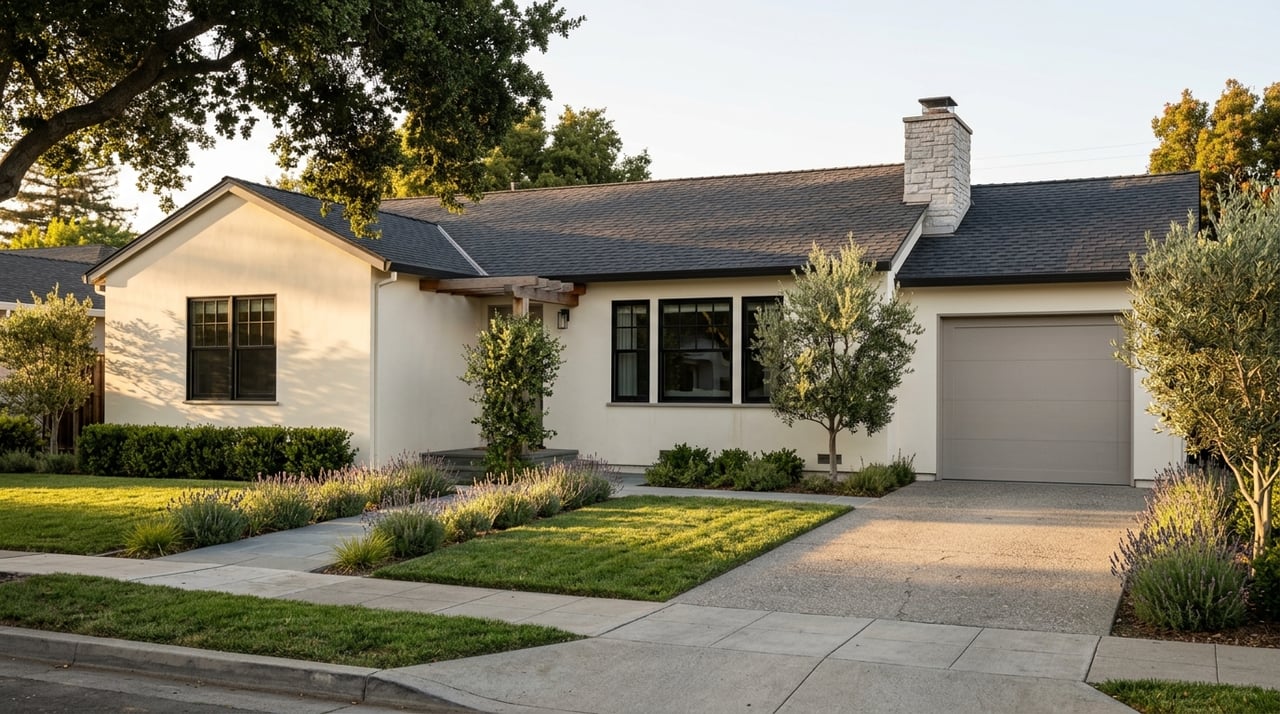
Looking for the right part of San Mateo can feel surprisingly complex. One area puts you near a lively downtown core, another leans into classic architecture and tree-lined streets, and another makes parks, errands, and commuting feel especially easy. If you are trying to picture daily life before you make a move, this guide will help you understand how San Mateo is laid out and what each neighborhood cluster offers. Let’s dive in.
How San Mateo is organized
San Mateo is easiest to read in a few broad bands. There is the downtown and rail corridor, the older neighborhoods west of El Camino Real, and the bay-side areas closer to the lagoon and shoreline.
That layout helps explain why the city can feel so different from one pocket to the next. Some areas are more walkable and transit-oriented, some are known for early-20th-century homes, and some stand out for open space and recreation.
Downtown and rail-side living
Downtown San Mateo
Downtown is the city’s commercial heart and one of its most walkable areas. The B Street pedestrian mall between 1st and 3rd Avenues creates a year-round people-focused core, and the downtown district is described as a compact five-block area with a strong mix of restaurants and retail.
Daily errands can feel simple here. The Main Library is downtown at 55 W. 3rd Avenue, and Central Park adds a major lifestyle anchor with its Japanese Garden, rose garden, mini train, and community events.
If you want a more urban feel within San Mateo, this is the clearest fit. The combination of shops, dining, public spaces, and access to Caltrain makes downtown especially practical for people who like to stay connected without relying on a car for every short trip.
Hayward Park
Hayward Park offers a near-downtown residential setting with a strong historic feel. City materials describe it as a neighborhood of mostly small single-family homes, with many California bungalows that are about 100 years old.
You will also find a mix of housing types here. Condos are clustered near Caltrain and Central Park, apartments line parts of El Camino Real and South Boulevard, and duplexes appear along B Street.
This area works well if you want character and convenience in the same place. It blends older housing stock with close access to downtown amenities and rail transit, which gives it a practical everyday rhythm.
Glazenwood
Within the Hayward Park area, Glazenwood stands out as an early-1920s Spanish Colonial Revival neighborhood. If architectural style matters to you, this is one of the more distinctive pockets to keep on your radar.
It is a useful reminder that San Mateo is not just divided by geography. In many cases, small sections within a broader neighborhood have their own visual identity and historic character.
West of El Camino neighborhoods
Baywood, Aragon, and San Mateo Park
West of El Camino Real, San Mateo shifts into some of its most established residential neighborhoods. City materials describe Baywood, Aragon, and San Mateo Park as contiguous early-20th-century areas with strong architectural consistency.
You will see a high concentration of Spanish Colonial Revival and Tudor Revival homes, along with Craftsman, Colonial Revival, and Streamline Moderne examples. Planning documents also describe Baywood as having large period-revival homes on wide, curving streets.
From a lifestyle point of view, this part of the city tends to feel more tree-lined and residential than the flatter, more mixed-use areas closer to Highway 101. At the same time, community-input materials note that these neighborhoods are still close enough to walk to downtown retail and services.
For many buyers, this cluster appeals because it offers a strong sense of place. If you value architectural detail, established streetscapes, and a more cohesive residential setting, these neighborhoods are often central to the conversation.
Convenience-focused neighborhoods
Hillsdale, Sunnybrae, Beresford, and Laurelwood
This part of San Mateo is especially strong on day-to-day convenience. Rather than one dominant housing style, the broader Hillsdale and Beresford area includes apartments, duplexes, single-family homes, condos, and townhomes.
That variety is matched by a service-rich environment. Hillsdale Shopping Center sits near Hillsdale Boulevard and El Camino Real and includes more than 130 stores, making this area a practical hub for shopping and everyday needs.
Parks and recreation are also a big part of the experience here. Beresford Park includes a recreation center, community garden, skate park, tennis courts, ballfields, picnic areas, and enclosed playgrounds.
Laurie Meadows Park adds another layer of neighborhood convenience. It offers a playground, open multi-use space, picnic areas, and a pedestrian and bicycle bridge that connects to Casanova Park across Laurel Creek.
Sunnybrae and Laurelwood fit into this same everyday-living pattern. City park listings place Sunnybrae Playground and Laurelwood/Sugarloaf Park in this broader area, which reinforces the neighborhood feel and access to local outdoor space.
For commuting, this section of the city also has a useful transit feature. San Mateo highlights a free Hillsdale Caltrain Commuter shuttle that connects Hillsdale Station with nearby business areas.
Bay-side and newer planned areas
Bay Meadows
Bay Meadows is San Mateo’s clearest newer planned district. The city describes it as a mixed-use community built on the former racetrack site, and it sits within San Mateo’s broader transit-oriented growth pattern.
Bay Meadows Community Park adds useful open space with a soccer field, pond, walking path, picnic areas, and lawn space. If you are looking for a neighborhood with a more modern planning feel and direct access to station-area activity, Bay Meadows stands out.
Shoreview, Marina, and Coyote Point
On the bay side, daily life takes on a more recreation-centered feel. This section of San Mateo is shaped less by historic architecture and more by water access, trails, and open space.
Marina Lagoon is a 4-mile inland waterway that supports boating, walking trails, beaches, picnic areas, and wildlife habitat. Nearby, Seal Point Park adds Bay Trail access, a boardwalk, bird-watching, and a dog park.
Coyote Point Recreation Area expands those outdoor options even more. It offers bay views, beach access, playgrounds, picnic areas, and the CuriOdyssey science museum.
If your ideal routine includes shoreline walks, open views, and easy access to outdoor recreation, the bay-side neighborhoods offer a very different experience from the inland residential sections of the city.
Parks and libraries in daily life
San Mateo’s public amenities play a real role in how neighborhoods function. The city says it has about 200 acres of open space, more than 13 neighborhood parks, 9 larger community parks, 6 recreation and community centers, 2 pools, an estuary lagoon, and a golf course.
That scale matters because it shapes everyday living. The city also reports 900-plus athletic and fitness classes and 500-plus creative classes through its facilities, which shows that recreation is woven into the community rather than treated as an occasional extra.
Central Park remains the city’s signature public space, especially for people living near downtown. As of this research, its playground and picnic areas are closed during construction expected to last 18 to 24 months, with nearby alternatives including Gateway Park, Sunnybrae Park, Borel Park, and Martin Luther King Jr. Park.
Library access is another useful point of comparison. San Mateo Public Library operates the Main Library downtown, the Hillsdale Library, and the Marina Library, though Marina Library is temporarily closed for construction beginning August 10, 2025, with holds pickup moved to Shoreview Recreation Center.
Commuting and getting around
Caltrain is a major part of daily life in San Mateo. The city is served by San Mateo, Hayward Park, and Hillsdale stations, and Caltrain notes that most stations offer parking and bicycle access.
SamTrans adds another layer of mobility with 76 bus routes throughout San Mateo County and into parts of San Francisco and Palo Alto. If you are comparing neighborhoods through the lens of commuting, this can make a meaningful difference.
San Mateo has also adopted a Complete Streets Plan, Bicycle Master Plan, Pedestrian Master Plan, and a transit-oriented pedestrian access plan covering downtown and the areas around the Hayward Park and Hillsdale stations. In practical terms, that supports a stronger walk, bike, and transit experience in the city’s core activity areas.
Which San Mateo area fits your lifestyle?
If you are early in your search, it can help to think less about one perfect neighborhood and more about your preferred pattern of daily living. San Mateo offers several clear lifestyle paths.
- For walkability and transit access: Downtown, Hayward Park, Hillsdale station areas, and Bay Meadows stand out.
- For historic character and architectural cohesion: Baywood, Aragon, San Mateo Park, and Hayward Park are strong contenders.
- For recreation and open space: Marina Lagoon, Seal Point, and Coyote Point offer some of the clearest outdoor advantages.
- For convenience and housing variety: Hillsdale, Beresford, Sunnybrae, and Laurelwood offer a broad mix of homes, services, parks, and commuting options.
The right fit depends on how you want your days to feel. Some buyers prioritize a walk to coffee, transit, or the library. Others care more about architectural character, neighborhood parks, or proximity to the shoreline.
A thoughtful move in San Mateo usually starts with that lifestyle lens. If you want help narrowing down where to focus, Jill Penna offers polished local guidance and hands-on support throughout your Peninsula move.
FAQs
What is the most walkable part of San Mateo?
- Downtown San Mateo is generally the city’s most walkable area, helped by the B Street pedestrian mall, downtown retail and dining, Central Park, and access to the Main Library and Caltrain.
Which San Mateo neighborhoods are known for historic homes?
- Baywood, Aragon, San Mateo Park, and Hayward Park are the neighborhood clusters most associated with early-20th-century homes and notable architectural styles such as Spanish Colonial Revival, Tudor Revival, Craftsman, and Colonial Revival.
What part of San Mateo is best for parks and recreation?
- The bay-side areas around Marina Lagoon, Seal Point, and Coyote Point are especially recreation-oriented, while Beresford Park and Central Park are also major everyday amenities within the city.
Which San Mateo neighborhoods offer a mix of housing types?
- Hillsdale, Beresford, Sunnybrae, and nearby areas are known for a mix of apartments, duplexes, single-family homes, condos, and townhomes.
How many Caltrain stations are in San Mateo?
- San Mateo has three Caltrain stations: San Mateo, Hayward Park, and Hillsdale.
What should you compare when choosing a San Mateo neighborhood?
- Focus on your daily routine, including commute preferences, access to parks, proximity to shopping or dining, housing style, and whether you prefer a historic, transit-oriented, or shoreline setting.